New vs Used Cars: Which Should You Buy?
Confused between buying a new or used car? Learn the pros and cons of each, costs, depreciation, and how to decide what’s right for you.
2/20/20262 min read
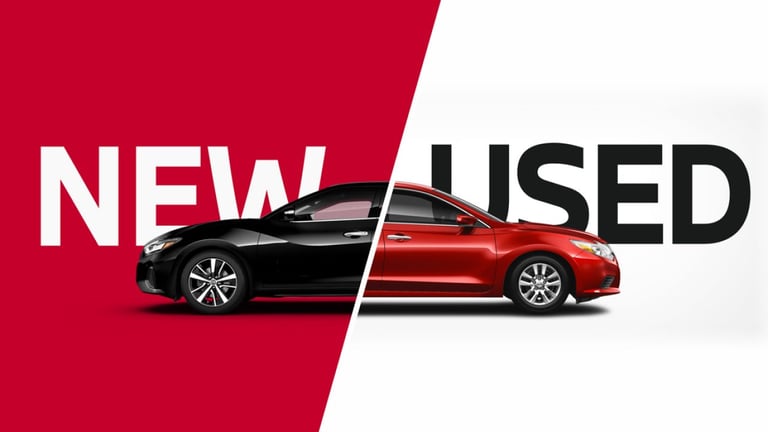
Choosing between a new or used car is one of the first big decisions buyers face. Both options have advantages, but the right choice depends on your budget, lifestyle, and long-term goals. Many buyers make costly mistakes simply because they don’t fully understand depreciation, maintenance, or financing differences. This guide breaks it down in a practical, approachable way so you can make an informed decision.
Buying new comes with peace of mind: full warranty coverage, the latest technology, and no previous owner history. You’re the first to enjoy the car exactly as it rolled off the line. If you're also weighing whether to buy or lease, that choice adds another dimension to the new-vs-used decision.
However, new cars depreciate rapidly often losing 20–30% of their value in the first year. Higher insurance premiums and upfront costs also make new cars more expensive. Buyers must weigh the excitement of new features against the financial impact of depreciation and larger monthly payments.
Pros and Cons of Buying New
Used cars are typically less expensive and often avoid the steep initial depreciation. Insurance costs are lower, and buyers may be able to afford a higher trim or a more reliable model than if buying new.
The downsides include potential maintenance issues and shorter warranty coverage, though certified pre-owned programs help mitigate these risks. With careful research, vehicle history checks, and inspections, used cars can offer excellent value. If you're buying your first car, our guide to the best cars for first-time buyers highlights specific models worth considering in both new and used trims.
Pros and Cons of Buying Used
Depreciation is often the biggest cost difference. A new car loses value fast, but a used car has already absorbed most of that hit. Understanding total cost of ownership including fuel, insurance, taxes, and maintenance is key to making a smart decision.
Depreciation and Long-Term Costs
Interest rates, loan terms, and down payments vary between new and used cars. Used car loans can have slightly higher interest rates, but smaller loan amounts may make monthly payments more manageable. Planning your financing carefully ensures the choice fits both short-term budget and long-term financial goals. Our guide on how much car you can afford walks through the numbers before you commit.
Financing Considerations
Deciding between new or used can be overwhelming. An auto broker like DMV Auto Concierge helps buyers navigate options, compare costs, and negotiate the best deals without pressure. We help you evaluate what truly fits your lifestyle and budget.
There’s no commitment to talk just a free, informed conversation to help you make the best choice.
Contact DMV Auto Concierge today to explore your options.